
Why Nature-Based Camps and Outdoor Programs Are Suddenly Booming in Toronto
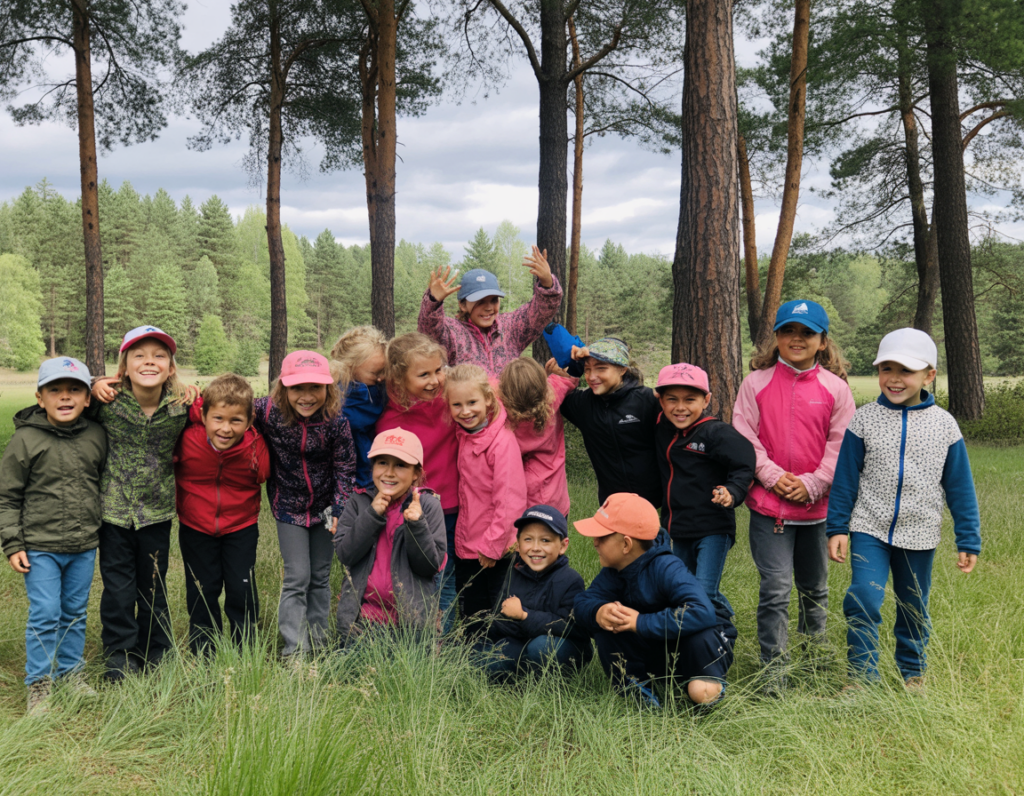
Forest schools, ravine adventures, and screen-free summer programs are filling up faster than ever across the GTA. Here is what is driving the demand — and what Toronto families are finding when they get outside.
The Waitlist Nobody Expected
Ask any Toronto parent who has tried to register their child for a nature-based summer program in the last two years and they will likely tell you the same thing: they missed it. Not by a week. By hours. The High Park Nature Centre advises families to join waitlists the moment a preferred week fills — and they fill fast. The Pine Project, which runs nature day camps out of Toronto’s parks and ravines, now operates an application-based registration process for its 2026 summer season, with waitlists actively encouraged for programs that reach capacity. The Toronto Zoo’s Zoo Camp — one of the most unique summer camps in Toronto’s GTA landscape — opens waitlists months before the summer season begins.
This is not what the summer camp market looked like a decade ago. And it is not an accident. The surge in demand for nature-based, screen-free, and outdoor adventure programs for children is one of the clearest signals of a significant shift in what Toronto parents are looking for — and what they are worried their children are missing.
Understanding why requires looking at the particular cluster of pressures facing GTA families in 2025 and 2026: a documented youth mental health crisis, mounting screen time concerns, the physical constraints of raising children in one of Canada’s densest urban environments, and a growing body of research that says unambiguously — time in nature is not optional for healthy child development. It is foundational.
The Mental Health Backdrop Every Toronto Parent Feels
The numbers on Canadian youth mental health are sobering and hard to ignore. According to a longitudinal study tracking Canadian students in grades 7 through 12, moderate-to-serious symptoms of anxiety and depression rose sharply from 24% in 2013 to 44% in 2019 — before COVID-19 arrived. Fair or poor mental health among 12- to 17-year-olds rose from 11% in 2013 to 27% in 2019, then climbed further to 38% by 2023. Suicidal ideation rose from 11% in 2001 to 18% by 2023. And while some hospitalizations related to mental health disorders have begun to stabilize post-pandemic, they remain higher than pre-pandemic levels, particularly for females aged 10 to 17.
These are not abstract statistics for Toronto parents. They describe children sitting in classrooms, in condo units, and in after-school programs across the GTA. And they are shaping decisions about how families spend their summers, their weekends, and their enrichment budgets.

The Canadian 24-Hour Movement Guidelines recommend that children and youth aged 5 to 17 accumulate no more than two hours per day of recreational screen time. A 2025 study by the Public Health Agency of Canada found that in 2018 to 2019, about 70% of Canadian children aged 5 to 11 met this recommendation — but only 30% of youth aged 12 to 17 did. During the COVID-19 pandemic, the proportion of youth meeting the screen time recommendation dropped further still, from 33% in 2018 to 22% in 2021. The trend has not fully reversed.
Research published by the Children & Nature Network in 2024 found that more time in nature may reduce mental health issues associated with screen time — not just as a pleasant alternative, but as a measurable protective factor. A landmark 2024 study by researchers from McGill and Université de Montréal, published in JAMA Network Open, found that spending just two hours per week of class time in a natural environment could reduce emotional distress among 10 to 12 year olds who had the most significant mental health problems before the program began. Two hours per week. In nature. Making a measurable clinical difference.
That is the science behind the waitlists.
The Urban Density Problem Toronto Can’t Ignore
Toronto is Canada’s largest city and one of the fastest-densifying urban environments in North America. More families are raising children in condos and vertical communities than ever before. As early as 2011, 32% of households with children in the City of Toronto lived in mid- and high-rise buildings — a number that has only grown as housing costs have pushed families further from ground-level space.
The City of Toronto recognized the issue formally, launching its “Growing Up: Planning for Children in New Vertical Communities” guidelines to address three documented problems: not enough two- and three-bedroom units for families; large units that don’t function well for children’s needs; and buildings and neighbourhoods that lack essential amenities for kids and parents. Those guidelines acknowledged what many parents already know firsthand: high-density urban environments are frequently lacking in adequate, well-connected play spaces for children.

Research published in January 2025 confirmed this in a systematic review: urban densification is increasingly creating environments where children lack meaningful access to green space, unstructured outdoor play territory, and the kind of physical freedom that previous generations took for granted. When your child’s options for outdoor time are a concrete balcony, a manicured condo courtyard, or a crowded sidewalk, the appeal of a week in a ravine — or a year-round forest school — becomes not just appealing but urgent.
This is the specific Toronto context that is driving nature-based programming demand. It is not a trend imported from elsewhere. It is a direct response to the lived reality of raising children in a dense, high-cost city where the closest thing to wilderness is a ravine two bus rides away — unless you know where to look.
What Nature-Based Camps and Programs Actually Do
It’s worth being precise about what distinguishes these programs from a standard summer camp with an afternoon walk through the park. Nature-based camps, forest schools, and outdoor adventure programs share a fundamentally different philosophy — one built on child-led exploration, healthy risk-taking, and genuine immersion in the natural environment.
The Pine Project, one of Toronto’s most established and sought-after nature programs, describes its approach plainly: 100% outdoor programs, in all weather, all year. Children don’t just learn about nature — they learn with it. The Pine Project blends wilderness skills, nature exploration, play, art, and mindfulness, explicitly targeting the development of confidence, resilience, and curiosity. With small group ratios and skilled mentors, children are supported to take healthy risks, solve problems creatively, and connect deeply with the land and with each other. The program offers summer day camps at multiple locations across Toronto, as well as year-round Wilderkids and Run Wild after-school programs, outdoor school at a wilderness property, and overnight camp at Red Wolf in the Haliburton Highlands.
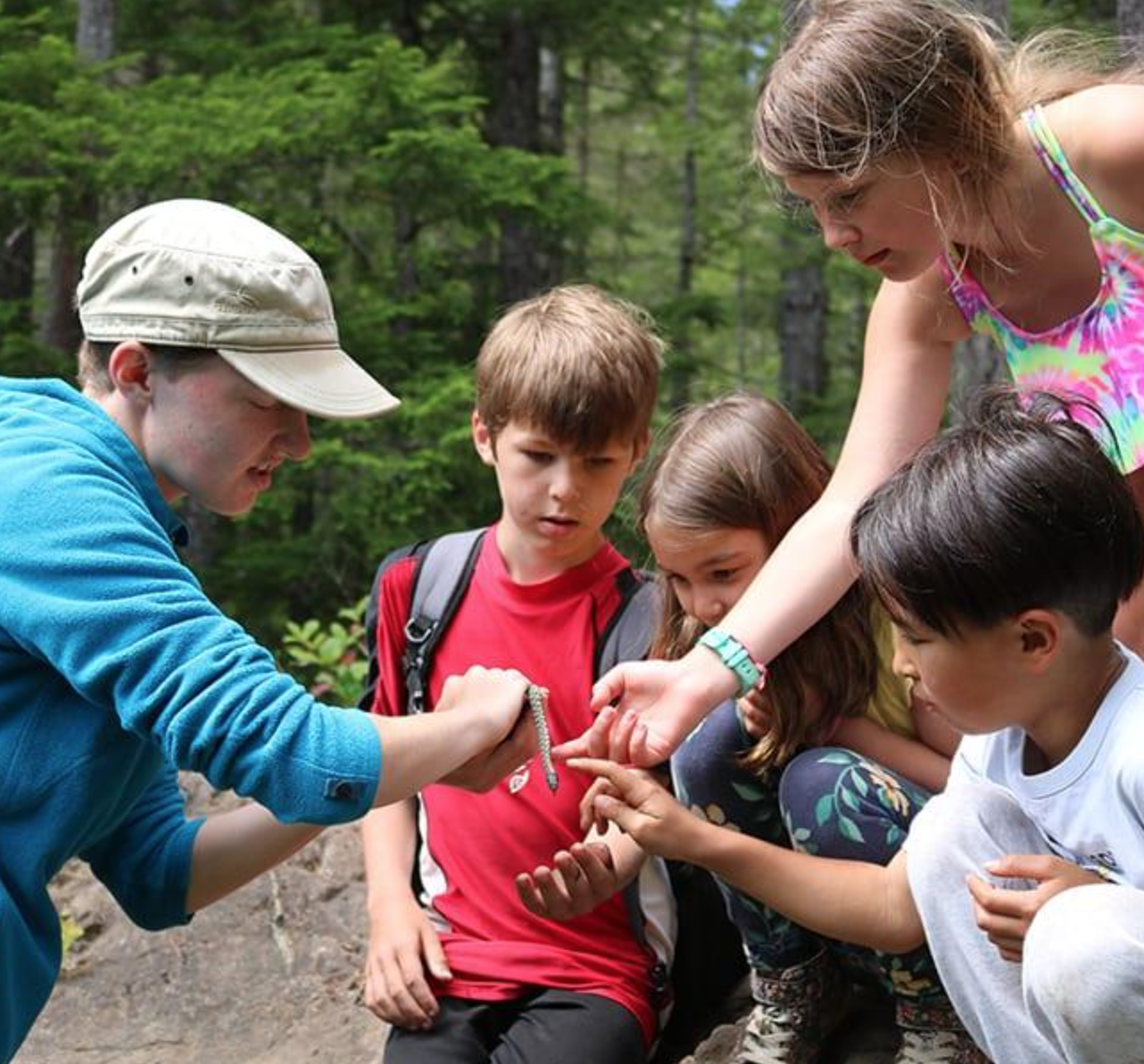
Toronto Nature School, founded in 2020 by certified teacher Julia Donnelly O’Neill, began with a single kindergarten class and a ravine in the Beaches neighbourhood. It has since grown into a full alternative education option — winning the Toronto Star Readers’ Choice Award for Best Private School in both 2023 and 2024 — with extensive programming for children from preschool through Grade 6. Its outdoor learning program reportedly tripled in popularity during the pandemic period and has continued to grow.
The High Park Nature Centre runs summer day camps set within one of Toronto’s most cherished green spaces, with a Leadership Training session that blends orienteering, birding, plant identification, and hands-on restoration with leadership development for older youth. Their Happy Camper Fund Bursary program ensures that cost is not the only determining factor in who gets to participate.
The Toronto and Region Conservation Authority (TRCA) operates summer camps across eight GTA locations, and in 2024 announced the opening of a new Nature School at the Toronto Zoo — an immersive, hands-on educational setting within the zoo’s more than 500 acres, offering inquiry-based learning through child-directed exploration for SK to Grade 3 students. TRCA’s The Nature School is also open for registration for 2025, offering preschool through Grade 6 programming across multiple levels.
The Toronto Zoo’s own Zoo Camp brings children into contact with wildlife, animal careers, and ecological systems through indoor and outdoor activities, unique animal experiences, and direct engagement with zoo keepers — and it runs waitlists that open months before summer arrives.
“Pine offers something rare: 100% outdoor programs, in all weather, all year. Kids don’t just learn about nature, they learn with it.”
— The Pine Project
The Science Is Clear: What the Outdoors Actually Builds
The research base for nature-based learning has matured considerably in recent years, and its conclusions are consistent enough to matter for parents making enrichment decisions.
A systematic review of 147 original research studies published in Frontiers in Public Health found that nature-specific outdoor learning produces measurable socio-emotional, academic, and wellbeing benefits — including increased student engagement and ownership of learning, development of social and collaborative skills, and improved self-concept. A 2025 scoping review of 40 empirical studies examining risky outdoor play and adventure education, covering research from 2015 to 2025, found that all 40 studies reported positive associations across multiple developmental domains. Eight key themes emerged from the evidence: resilience and confidence, wellbeing, physical skills, autonomy and agency, nature connectedness, quality play provision, and educator influence.
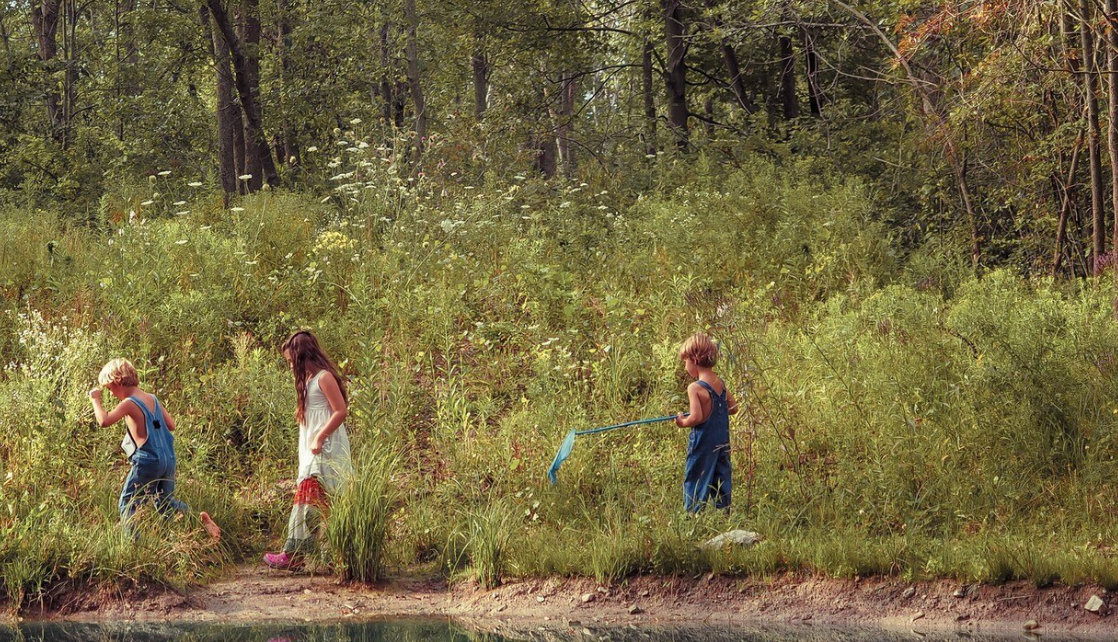
Outdoor time has also been found to reduce physiological stress responses, increase interest and attention, and decrease feelings of fear, anger, or aggression. Children with ADHD show better concentration and rate their experiences more positively outdoors compared to traditional classroom settings. A 2025 review found that outdoor time significantly contributes to mental health by reducing anxiety symptoms.
What this translates to, in practical terms, is a list of outcomes that reads like exactly what Toronto parents are most anxious their children are missing:
- Resilience — built through real challenges, setbacks, and trying again without a safety net
- Confidence — developed when children navigate problems without immediate adult intervention
- Focus and attention — restored by sustained engagement with unpredictable natural environments
- Leadership and teamwork — practiced through small-group collaboration in unstructured settings
- Emotional regulation — supported by calmer nervous systems that nature consistently produces
- Life skills and independence — gained through hands-on, physical interaction with the real world
- Future-readiness — through adaptability, problem-solving, and creative thinking that no algorithm can shortcut
In other words, what looks like “just playing in the woods” is producing precisely the skills that parents — and, increasingly, employers — say matter most for navigating an uncertain future.
Toronto’s Ravines: The City’s Underused Classroom
One of Toronto’s most under-appreciated assets is its extraordinary ravine system — more than 300 kilometres of green corridors threading through the urban fabric along the Humber River, the Don River, Black Creek, and dozens of tributaries. These ravines connect dense neighbourhoods to something genuinely wild: forests of oak and maple, creek beds where children can turn over rocks and find crayfish, slopes steep enough to challenge an eight-year-old and require real problem-solving to navigate safely.
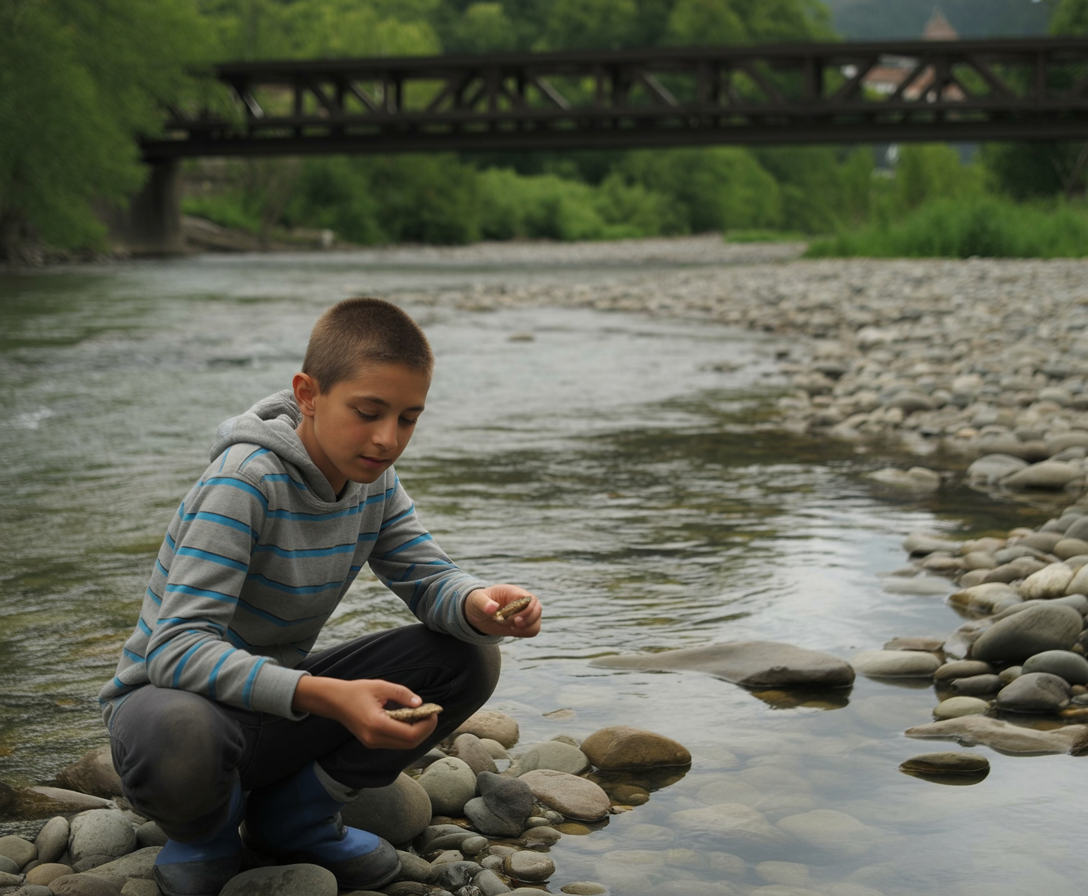
The most successful nature-based programs in Toronto have made these ravines their classroom. The Pine Project’s urban summer day camps operate directly within this system, in parks and ravine spaces across the city. The Toronto Nature School, situated in the Beaches neighbourhood, brings children to the waterfront and the ravine as its primary learning environment. The TRCA manages conservation areas across eight GTA locations — from Claremont in Pickering to Kortright Centre in Vaughan — bringing children into forests, wetlands, and meadows that feel genuinely remote, despite sitting within reach of most GTA postal codes.
For families in North York, Etobicoke, Midtown, Leaside, and throughout the inner suburbs, proximity to this green infrastructure makes nature-based programming viable in a way it isn’t in many other major North American cities. The ravines are here. The question is whether families know how to access them — and whether programs exist to make that access meaningful.
The answer in 2026 is increasingly: yes.
The Status Signal Has Quietly Shifted
There is another dimension to the nature camp boom that is worth naming honestly: social signalling. For years, the prestige enrichment choice for Toronto’s aspirational families was the most impressive specialty program available — competitive hockey, elite STEM camps, bilingual immersion, robotics. The status conversation among parents at school pickup centred on skill development, competitive credentials, and future positioning.
That conversation has not disappeared. But it has become more nuanced. In 2026, saying “my child spent the summer learning wilderness skills and building confidence in a ravine” carries genuine social weight in many Toronto communities — not as a retreat from ambition, but as a different, arguably more sophisticated, form of investment in the whole child. The best nature-based camps in Toronto are no longer framed as alternatives to elite programming. They are framed as elite programming — distinguished by their rigour, their research basis, and their scarcity.
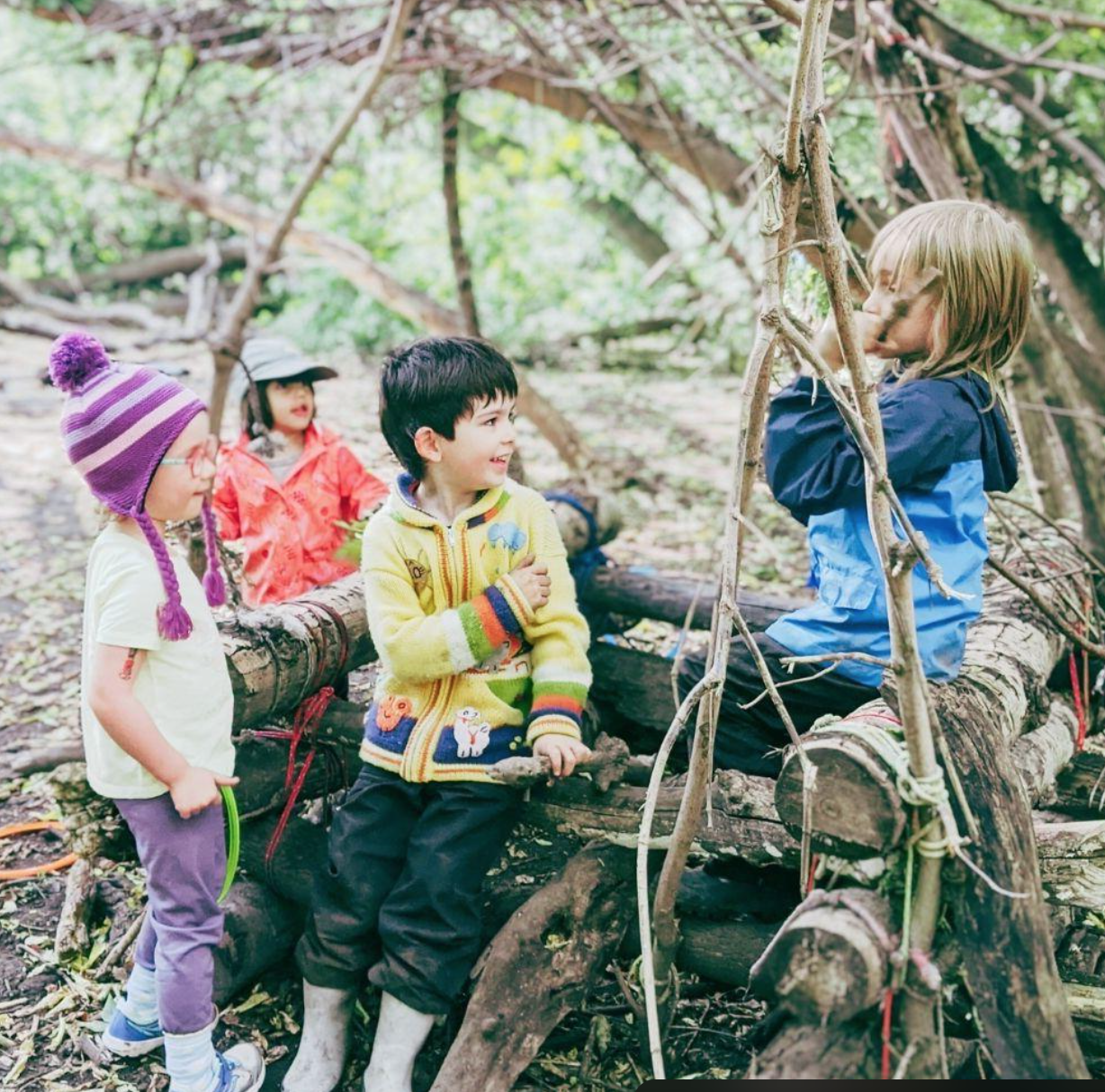
The language used by leading programs reflects this shift. Premium nature programs for GTA kids now speak in terms of leadership development, entrepreneurial thinking, emotional intelligence, future-readiness, and screen-free restoration — the same aspirational vocabulary used by STEM camps and competitive academic programs, applied to the forest. And the waitlists validate the positioning: programs that sell out in hours have real status in a competitive enrichment market.
For families in Leaside, Midtown, the Beaches, and across the GTA’s denser urban neighbourhoods, the forest school has become a genuinely sought-after choice — not a fallback, but a considered decision based on values, evidence, and a growing conviction that their child needs something the screen cannot provide.
What Parents Are Actually Saying
The testimonials from Toronto’s nature-based programs are worth reading carefully, because they reveal not just satisfaction but surprise — the discovery that something simple and ancient is doing something that polished, scheduled, screen-forward enrichment was not.
One parent of a Toronto Nature School student wrote: “My son was engaged, excited about what he was learning, and thrived in the outdoor setting. He came home eager to share stories about his adventures and couldn’t wait to go back the next day. It’s everything we could hope for in a school.” A Pine Project parent described the experience this way: “Children always come home from camp feeling empowered, happier, stronger and connected to our earth. Pine staff are exceptional. They will help your child challenge themselves to achieve their fullest potential.” And of the Red Wolf overnight program: “Red Wolf provides children with a unique chance to immerse themselves in nature, face new challenges, and take a break from the chaos of everyday life. The difference it has made in Owen is remarkable.”
What these responses share is a quality of relief. Not just satisfaction — relief. The sense that something their child needed was finally being met, in a way that a structured, indoor, screen-adjacent environment had not managed to reach. The woods, it turns out, are meeting a need that the child couldn’t articulate and the parent didn’t fully understand until they saw it addressed.
Access, Equity, and the City’s Role
One critical and uncomfortable dimension of this story is who gets to participate. The boom in premium nature-based programming is concentrated, for now, among families with the resources to pay for it and the organizational capacity to register months in advance. Private nature school and camp fees are not trivial, and the waitlist dynamic favours families who are plugged into school-community networks and aware of registration windows long before they open.
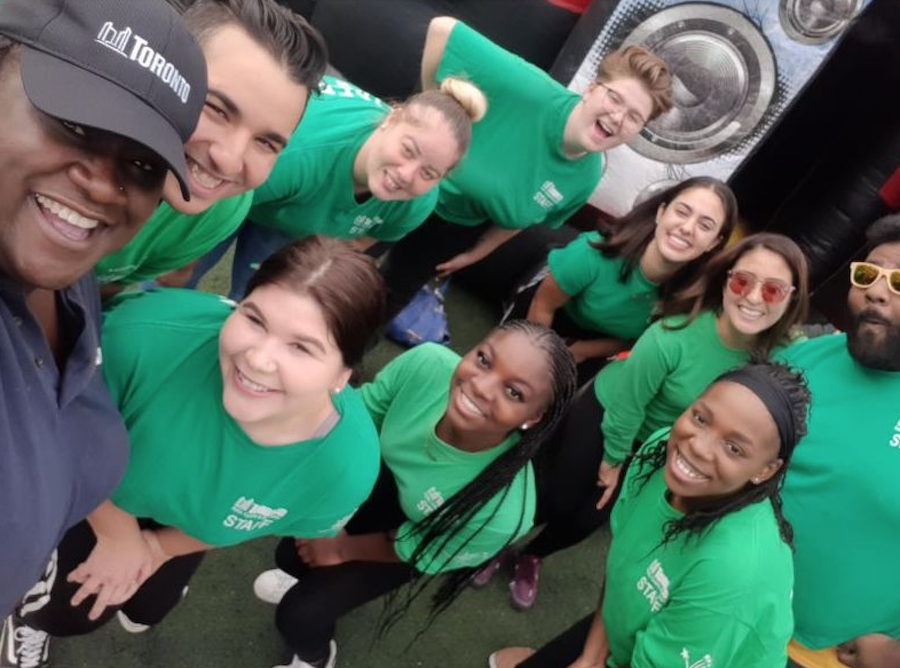
The City of Toronto does offer nature-based programming through its CampTO initiative, which runs more than 30 types of camp programs at more than 140 locations across the city — including outdoor and nature components — from early July to late August. The Welcome Policy fee subsidy program provides access to CampTO for families receiving social assistance or meeting lower-income criteria. These are meaningful options. But demand significantly exceeds available subsidized spots for specialized nature experiences, and the gap between what the public sector offers and what the private market is producing continues to widen.
The Child and Nature Alliance of Canada — the national organization that certifies Forest and Nature School practitioners and advocates for connecting children with nature through policy, research, and practice — reported a record year of Forest School practitioner training in 2024, reflecting growing appetite from educators and program operators across the country. That professional infrastructure is expanding. But equitable access to its benefits remains an unfinished challenge.
The most important version of the nature camp boom is not about premium programs filling up in the Beaches and Midtown. It is about ensuring that the ravines, the parks, and the outdoor classrooms that Toronto’s geography so generously provides are genuinely and meaningfully accessible to every child in the city — regardless of postal code or household income.
A Guide to What’s Out There for GTA Families
For families ready to explore Toronto’s nature-based programming landscape, the options span a wide range of formats, ages, and price points across the GTA:
- The Pine Project — Year-round nature programs including summer day camps at multiple Toronto parks and ravines, Wilderkids and Run Wild after-school programs, Adventure Out wilderness day trips, and Red Wolf overnight camp in Haliburton. Bursaries available. Registration is application-based; waitlists are strongly encouraged. Serves children of all ages through teens.
- Toronto Nature School — Award-winning outdoor alternative school (JK to Grade 6) and summer camp programs, based in the Beaches neighbourhood. Founded 2020; winner of Toronto Star Readers’ Choice Best Private School 2023 and 2024. Summer camps for ages 4 to 10.
- High Park Nature Centre — Summer day camps in one of Toronto’s most beloved green spaces. Leadership Training program for older youth. Happy Camper Fund Bursary available. Limited to two weeks per camper to give more children access.
- TRCA The Nature School — Outdoor-focused alternative private school for preschool through Grade 6, operating at locations including Claremont Nature Centre and the Toronto Zoo. Registration for 2025–2026 open. Inquiry-based, child-directed, all-weather outdoor learning.
- TRCA Summer Camps — Outdoor camps at 8 GTA locations including Kortright Centre in Vaughan, Claireville in Brampton, and others. Hands-on nature, wildlife, and environmental programming. Multiple age groups.
- Toronto Zoo Camp — Themed wildlife adventure weeks within the zoo’s 500+ acre property. Animal experiences, keeper encounters, indoor/outdoor programming. Ontario Camps Association accredited. Waitlists open early.
- City of Toronto CampTO — Municipal camp programming at 140+ locations across Toronto including North York, Etobicoke, Scarborough, and downtown, with Welcome Policy subsidies available for qualifying families.


A consistent message from experienced Toronto camp families: registration timing is everything. The most sought-after programs open in late January or early February for the summer ahead, and spots at premium nature programs can disappear within hours. Joining multiple waitlists and treating the search as seriously as any other enrichment decision is the advice that parents who have been through it give to parents who haven’t yet.
The Tight Conclusion: The Ravine Is Not a Retreat
The boom in nature-based camps and outdoor programs across Toronto and the GTA is not a nostalgic trend or a reaction against technology for its own sake. It is a considered, evidence-based response to a specific set of documented realities: a youth mental health crisis that predates the pandemic and has worsened through it; screen exposure that far exceeds what public health guidelines recommend; an urban built environment that has progressively reduced children’s access to free, unstructured outdoor space; and a research base that consistently finds that time in nature builds exactly the qualities — resilience, confidence, focus, independence, emotional regulation — that children most need and that modern environments most consistently deprive them of.

Toronto’s ravines, parks, conservation areas, and green corridors are one of this city’s greatest and most underused assets for child development. The programs growing up within them — from High Park to Haliburton, from the Beaches to Kortright, from Leaside to Etobicoke — are filling a gap that polished, screen-adjacent, structured enrichment simply cannot close.
The best summer camps Toronto families are competing to access in 2026 are increasingly the ones that ask children to put down the device, pull on their rain boots, and figure something out for themselves — in a forest, beside a creek, in weather that wasn’t forecast to cooperate.
And based on everything the research shows, and everything parents are reporting when their children come home muddy and happy and somehow more themselves — those children are coming back changed. In exactly the ways that matter most.
Looking for outdoor and nature-based programs for your child across the GTA? Explore our curated guides to the best summer camps Toronto families trust, unique kids enrichment programs in North York, Etobicoke, Midtown, and Leaside, and premium Toronto educational camps that build real skills in the real world.
