
The Real Cost of Raising “Highly Active” Kids in Toronto
Hockey bags, dance costumes, tutoring invoices, summer camp deposits — Toronto parents are spending more than ever on kids’ enrichment. Here is an honest look at where the money goes, and what it is really buying.
The Unofficial Second Mortgage
There is a particular kind of financial vertigo that hits Toronto parents around September. The new school year arrives with a fresh wave of registration deadlines, season fees, equipment lists, and program deposits. For families with one child in a competitive activity, the costs are uncomfortable. For families with two or three kids in multiple pursuits, the totals can be genuinely staggering — enough, in many households, to rival a car payment, a month’s rent, or a sizable RRSP contribution.
This is not a fringe experience. According to an Ipsos poll, 55% of Canadian parents report feeling financial strain due to their children’s extracurricular fees. Perhaps more striking: 32% of Canadian families have gone into debt to fund their children’s activities. More recent data from the United States shows the problem is deepening — a LendingTree survey found that nearly 79% of parents with children in competitive extracurriculars had taken on debt to fund those activities, up sharply from 62% just a few years earlier.
In Toronto — with its high cost of living, competitive social culture, and dense field of premium kids enrichment programs — these pressures are amplified. The city that gave the world the GTHL, one of the largest minor hockey leagues in the world, is also a city where parents swap waitlist strategies for specialty camps, debate the merits of Mandarin immersion versus robotics, and navigate the very real anxiety that falling behind in enrichment somehow means falling behind in life.
So what is all of this actually costing? Let’s follow the money.
Hockey: The Expensive National Religion
No conversation about the cost of raising active kids in Canada can start anywhere but the arena. Hockey is the sport that defines the outer limits of what parents are willing to spend — and the numbers have been climbing steadily.
The Greater Toronto Hockey League (GTHL), which registers more than 40,000 annual participants across Markham, Mississauga, Toronto, and Vaughan, set its Player Registration Fee for ‘A,’ ‘AA,’ and ‘AAA’ levels at $950 to $1,055 per player for the 2024–2025 season — and that is just the league registration fee, before a single piece of equipment has been purchased or a single hotel room booked.
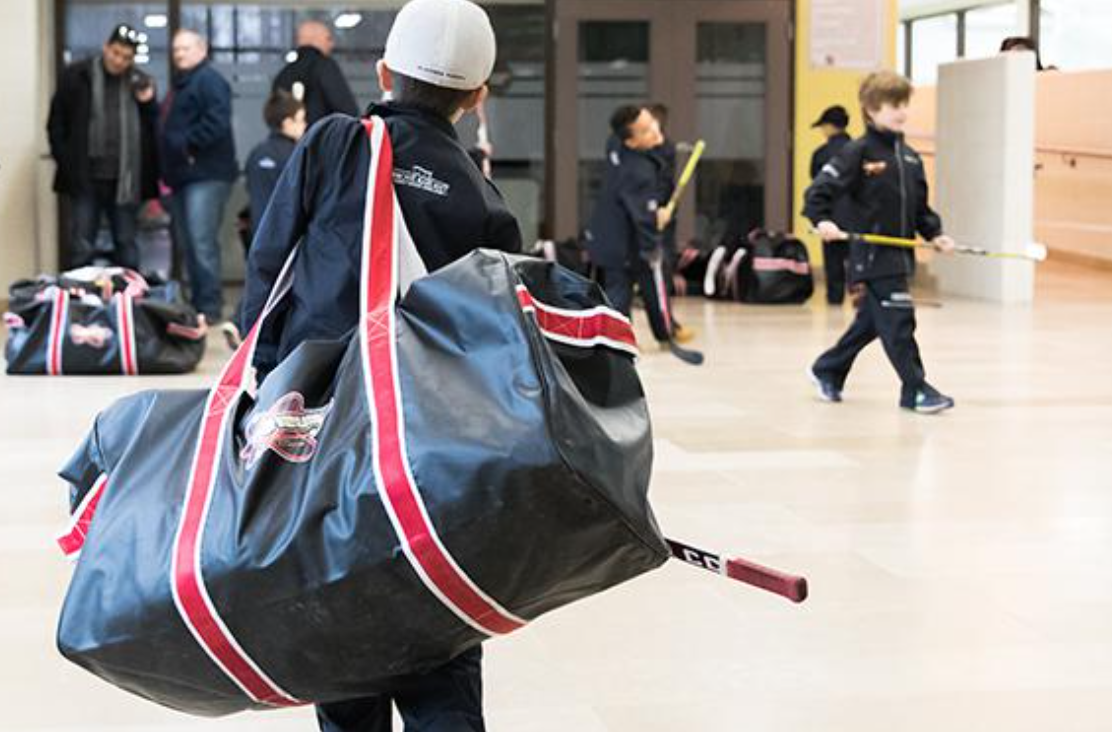
The full picture of what competitive hockey costs is significantly more sobering. Equipment for a growing child — skates, helmet, pads, stick — runs from a few hundred dollars to over a thousand per season, especially as children age into sizes that require full adult-grade protective gear. A basic youth stick now starts around $70, and players typically go through multiple sticks in a season. Helmets, padding, and other protective gear alone can range from $50 to $500 depending on level.
Add in tournament travel, hotel stays, team building fees, and optional skill development sessions, and the full cost of competitive rep hockey can push well past $10,000 per year for families at the higher levels. One Burlington parent, quoted in a recent MoneySense report, captured it simply: “Our son made a rep hockey team and we ended up saying no because the registration fee alone was $3,000. He’s seven!”
The GTHL itself noted that the increase in its 2024–2025 fees was driven by rising ice costs — impacted by inflation, property tax increases, and the carbon tax — along with minimum wage increases and the growing costs of Safe Sport initiatives. In other words, hockey’s cost spiral is structural, not incidental, and there is no visible ceiling.
Dance and Gymnastics: The Hidden Money Pits
Dance and gymnastics occupy a particular place in Toronto’s extracurricular economy: they appear accessible at the recreational level, then reveal their true costs as soon as a child shows real talent and progresses into competitive streams.
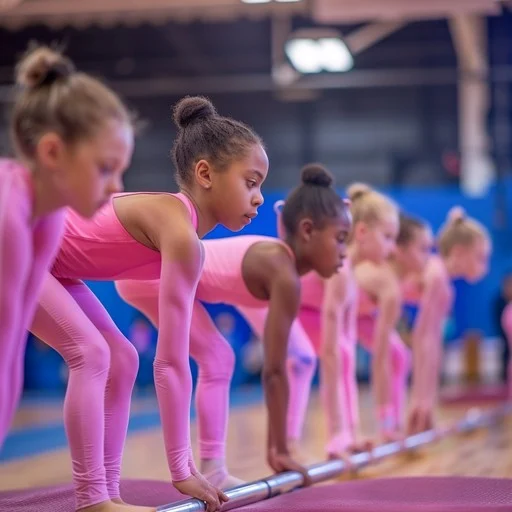
At the recreational level, a season of dance or gymnastics classes might run a few hundred dollars. But competitive dance — once costumes, competition entry fees, private lessons, travel to competitions, and team fees are factored in — is a dramatically different financial proposition. One Toronto parent quoted in MoneySense put the number at $10,000 per year for competitive dance when all costs are included. Costumes alone can run several hundred dollars per piece, and competitive dancers often need multiple costumes per season.
Competitive gymnastics sits in a similar range. According to Canadian financial reporting, families can expect to spend $2,000 to $4,000 per year on competitive gymnastics at recreational-to-regional levels, covering lessons, club fees, uniforms, and travel to meets. For families whose children progress to elite training, costs can escalate significantly further.
The structure of these sports is particularly prone to cost escalation because progress is highly visible. Once a child is identified as talented and offered a spot on a competitive team, saying no feels like saying no to the child’s potential — a psychological lever that is difficult for parents to ignore, regardless of what the family budget actually allows.
Swimming: The “Affordable” Activity That Isn’t
Many Toronto parents enter the swimming universe assuming it will be the sensible, affordable choice. The City of Toronto does operate more than 60 indoor pools and does offer swim lessons across the city, and the community centre price point is far more accessible than private options. But the reality of getting consistent, high-quality instruction in a city this size involves wait-lists, inconvenient schedules, and limited availability — particularly for the coveted weekend morning slots that working families can actually use.

The result is that many Toronto families migrate to private swim schools, where the costs are substantially higher. At well-regarded private providers, 10 lessons for kids can run approximately $630. YMCA swimming lessons are more affordable for members — around $72 for 12 weeks in a larger group class — but non-members pay approximately $180 for the same program, and the membership itself adds additional monthly cost. Once a child progresses into competitive swimming, training fees, meet entry costs, and specialized coaching add up quickly.
The Toronto parent interviewed in a 2024 Toronto Star story on rising program costs captured the discovery many families make: she assumed swimming and soccer would be “the two cheap programs.” She quickly learned otherwise.
Tutoring: The Academic Arms Race
Extracurricular spending in Toronto is not confined to sports and arts. The academic enrichment industry is thriving — and it is expensive.
Private tutoring in Toronto commands some of the highest rates in Canada, reflecting the city’s elevated cost of living and intense competition for spots at leading post-secondary institutions. According to Canadian tutoring services, rates in Toronto typically run $55 to $75 per hour for most subjects, with advanced STEM subjects, AP/IB preparation, and specialized instruction reaching $80 to $95 per hour or higher for experienced teachers. Tutoring agencies — which screen and vet their tutors — charge in the $55 to $90 per hour range depending on the subject and the tutor’s qualifications.

Centre-based programs like Kumon represent a more structured, lower-cost alternative at approximately $100 to $200 per month per subject, but the cost compounds quickly for families enrolling in both math and reading programs, and the commitment is typically year-round. For a family spending $150 per month on math plus $150 on reading, that is $3,600 per year — before any additional private support.
What drives Toronto parents into the tutoring market is not just remedial need. Increasingly, it is competitive anxiety: the sense that the bar for university admissions is rising, that STEM skills are table stakes for a viable future, and that their child’s classmates are already several steps ahead. This makes tutoring less a response to a problem and more a preemptive investment — one that is hard to put a ceiling on.
Music Lessons: The Long Game
Music instruction occupies a distinct category in the Toronto enrichment economy. It is widely valued not just for musical outcomes but for the cognitive, discipline, and confidence-building benefits it is understood to produce — which means it tends to be treated as a near-essential by many professional families, rather than an optional extra.
Piano, violin, and vocal lessons from qualified instructors in Toronto run approximately $50 to $120 per hour, depending on the teacher’s credentials and experience. Piano teachers on platforms like Thumbtack have averaged around $85 per hour for qualified instructors in Toronto, while Wyzant — which offers the widest pool of teachers — has averaged closer to $103 per hour. A structured music school with a monthly program can start at around $155 per month for weekly lessons.

At one lesson per week that’s manageable. But serious musical study typically means weekly lessons plus regular practice, exam preparation (Royal Conservatory of Music exams are the benchmark in Ontario), instrument purchase or rental, music books, and recital costs. A family running a child through RCM levels with weekly lessons from a credentialed teacher can easily spend $2,000 to $4,000 annually — and that is before the piano has been purchased, rented, or tuned.
Summer Camps: The Season That Changes Everything
Summer is where Toronto’s enrichment economy reaches its peak intensity — and its peak cost. For working parents, summer camp is both a childcare necessity and an enrichment investment, which makes the spending feel simultaneously more justified and more pressured.
Toronto specialty camps and unique summer camp experiences span an enormous price range. At the accessible end, STEM Camp Toronto runs approximately $340 per week for a standard five-day program — which represents a reasonable mid-range option, though eight weeks of this amounts to nearly $2,700 before extended care, lunch programs, or any other add-ons. Extended care before and after camp hours adds another $40 per week per session.
Premium and elite summer camps Toronto families compete for — specialty programs in performing arts, competitive sports training, advanced STEM, or outdoor adventure — can run considerably higher. According to camps.ca, traditional overnight camps cost $300 to $1,000 per week, meaning a four-week overnight experience at the higher end represents a $4,000 commitment before transportation and gear. For STEM camps Toronto offerings at the specialty or premium end, per-week costs are similarly steep.
The registration dynamic makes this worse. The best summer camps Toronto has to offer frequently fill within hours of registration opening — often in February, for a summer that is five months away. Parents who miss the window have to choose between a waitlist and settling for their second or third preference, which compounds the pressure to stay organized, plan months ahead, and pay deposits early.
For a family placing one child in eight weeks of varied Toronto educational camps — mixing specialty and day camp formats — $3,000 to $5,000 for the summer season is a reasonable working estimate, and many families spend more.
Travel Programs and the Competitive Tier
At the upper end of Toronto’s extracurricular economy sits a category that is genuinely difficult to cost-cap: travel sports and competitive programs that require significant out-of-city or out-of-province travel.
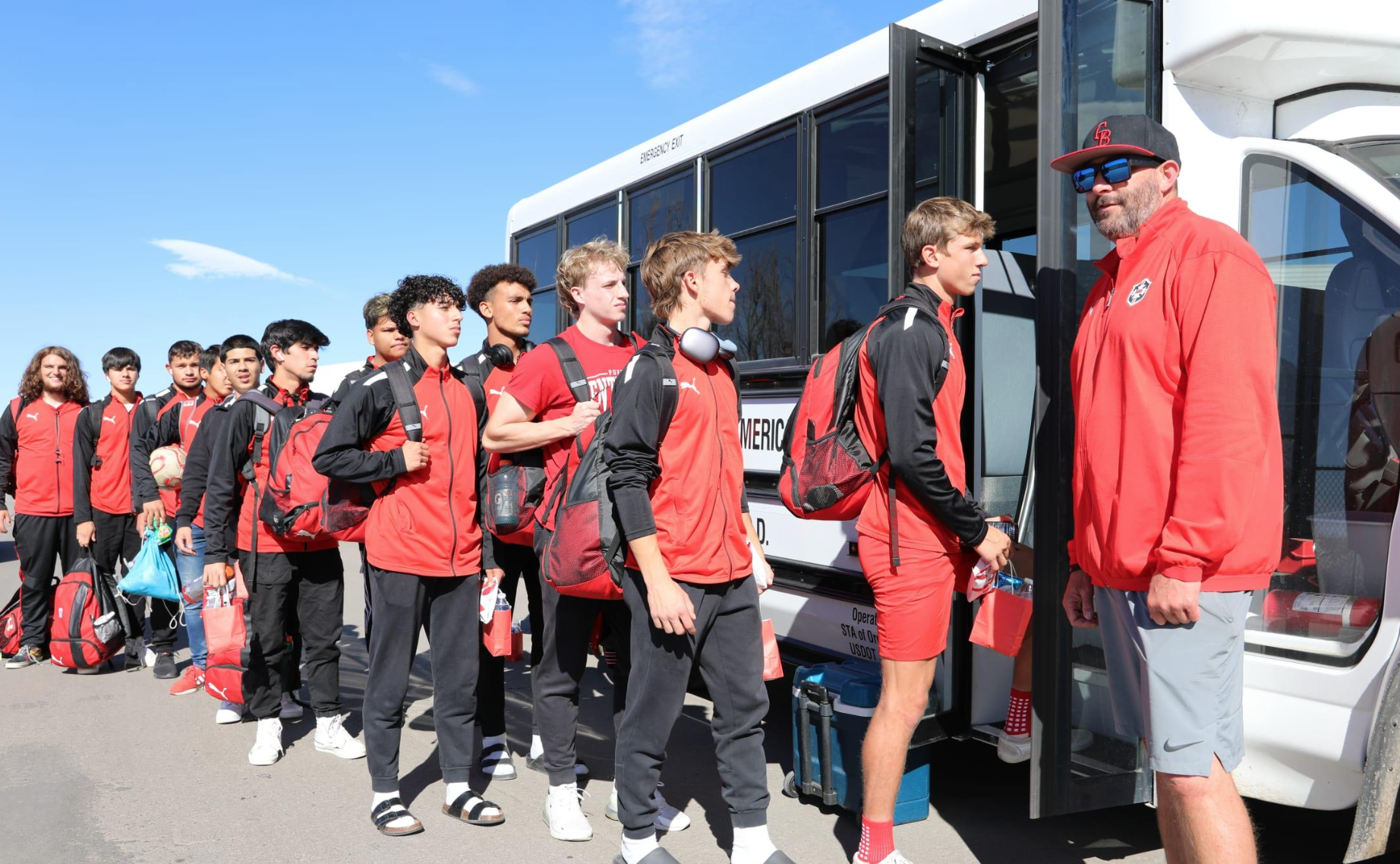
One Ottawa parent quoted in MoneySense: “With three kids in competitive cheer, baseball, and hockey, I pay more for their activities than I do for my mortgage when factoring in travel, hotels, for tournaments, etc. We paid for 40 hotel nights in 4 different provinces in 2025 alone.” This is not an extreme outlier. It is the logical endpoint of competitive activity participation in a country where provincial and national tournaments require genuine travel.
According to the Aspen Institute’s Project Play survey, the average American sports family spends $414 annually on travel and lodging for a single sport. Travel baseball families report spending $3,000 to $5,000 per year on travel and lodging alone. In the Canadian context, where competition circuits span provinces and international tournaments are not uncommon at the elite level, comparable or higher numbers are plausible for serious competitive participants.
What It Adds Up To: A Directional Reckoning
Putting directional numbers together for a Toronto family with one child active in two or three pursuits:
- Rep or competitive hockey: $3,000–$10,000+ per year (registration, equipment, travel, development sessions)
- Competitive dance or gymnastics: $2,000–$10,000 per year (lessons, competitions, costumes, travel)
- Private swim lessons: $600–$1,500+ per year (depending on frequency and provider)
- Private tutoring: $2,000–$6,000+ per year (weekly sessions at Toronto rates)
- Music lessons: $1,500–$4,000 per year (weekly instruction plus exam/recital costs)
- Summer camps: $2,000–$6,000+ per summer (depending on weeks, program type, extended care)
- STEM or specialty camps: $300–$700+ per week for premium programs
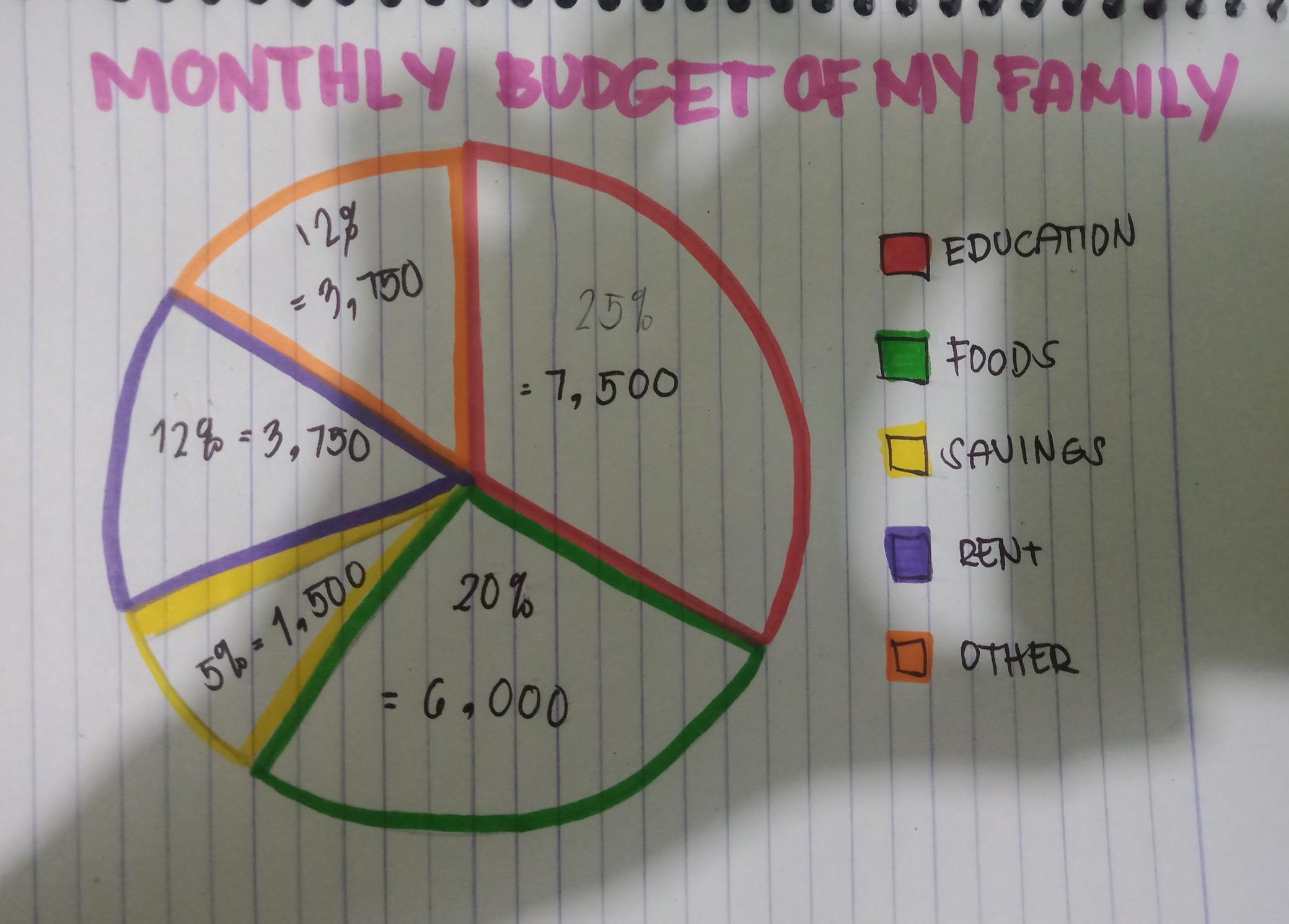
A family running a child in one competitive sport, weekly music lessons, occasional tutoring, and a few weeks of specialty summer camp is not unreasonably looking at $8,000 to $15,000 per year per child in enrichment costs. Families with two children in competitive activities can — and do — exceed $20,000 annually. These numbers align with what Canadian financial reporting and parent testimony consistently reflects.
Nearly a quarter of parents with a child in competitive extracurriculars spend $4,000 or more yearly on that single activity alone. About half of those parents report being often stressed about paying for these programs.
The Emotional Economy Underneath the Financial One
The financial numbers, striking as they are, don’t capture the full picture. What drives Toronto families to spend at these levels is not just love of a sport or belief in a lesson’s value. It is a more complex cocktail of forces.
There is status and social comparison. In many Toronto schools and neighbourhoods, the extracurricular resume a child carries is visible to other parents, explicitly discussed, and carries social weight. The premium kids camp Toronto parents choose is a statement — about values, about resources, about what kind of parent you are and what kind of future you are building for your child. This pressure operates on adults even when they are aware of it and trying to resist it.

There is educational aspiration. Toronto parents, particularly those with university-educated backgrounds, increasingly frame enrichment spending not as leisure but as investment — in skills, in credentials, in competitive positioning for university admissions or future careers. The STEM camp, the tutoring, the music grade — each one becomes another brick in a structure built toward a future that justifies the present cost.
There is genuine opportunity belief. The Ipsos data showed that 91% of Canadian parents agree it is important to give children as diverse experiences as possible, and 89% believe the options available to children today are better than ever. Parents are not being irrational when they invest in activities they believe will shape who their children become. The problem is that this genuine belief is easily converted, by competitive social environments and clever marketing, into spending that exceeds what is financially sustainable.
And there is the equity dimension, which sits uncomfortably beneath all of this. A People for Education report found that access to extracurricular activities in Ontario is more likely in higher-income neighbourhoods — meaning that the families who most need affordable programming have the least access to it. The result is a two-speed enrichment economy: a high-spend private market where premium kids programs and high-end kids enrichment in Toronto compete for affluent families, and an underfunded public sector that increasingly cannot keep pace with demand.
The Question Worth Asking
Toronto’s enrichment economy is not going to deflate. The pressures driving it — status competition, educational aspiration, genuine parental love, the rising cost of ice time and qualified instruction — are structural. There is no parent-led movement that is going to make rep hockey affordable.
But the data offers a useful prompt. The same Ipsos survey that found 55% of parents feeling financial strain also found that experts caution against over-scheduling children. One prominent Canadian child and adolescent psychiatrist noted that “although extracurriculars are good for kids, too many can cause a lot of stress” — for the children as much as the parents. Lianne Hannaway, a CPA and wealth coach in Toronto quoted by MoneySense, put it plainly: “Saying ‘yes’ to an activity that will create financial stress is not a gift to your children.”

The science supports a version of enrichment that is thoughtful rather than maximal. Children benefit enormously from activities that build confidence, resilience, physical health, social skills, and a sense of mastery. They don’t need to be in five programs simultaneously to get those benefits. And increasingly, some of the research on childhood wellbeing suggests that the unstructured, exploratory, low-cost time — the ravine walk, the backyard experiment, the unhurried afternoon — is doing more developmental work than parents give it credit for.
None of this makes the February camp registration panic any less real, or the hockey registration fee any smaller. But it does suggest a question worth sitting with: Are the activities we’re choosing actually for our children — or are they for the parents we’re trying to be?
A Tight Bottom Line
The real cost of raising “highly active” kids in Toronto is substantial, escalating, and largely invisible until you add it up. The directional numbers are clear: a single competitive activity can consume $5,000 to $10,000 per year. A mix of academics, arts, sport, and summer programming can push a family well past $15,000 annually per child. And once families enter the competitive stream in any activity, the costs have a gravity of their own — tournament travel, private coaching, better equipment — that make turning back feel like giving up on a child.
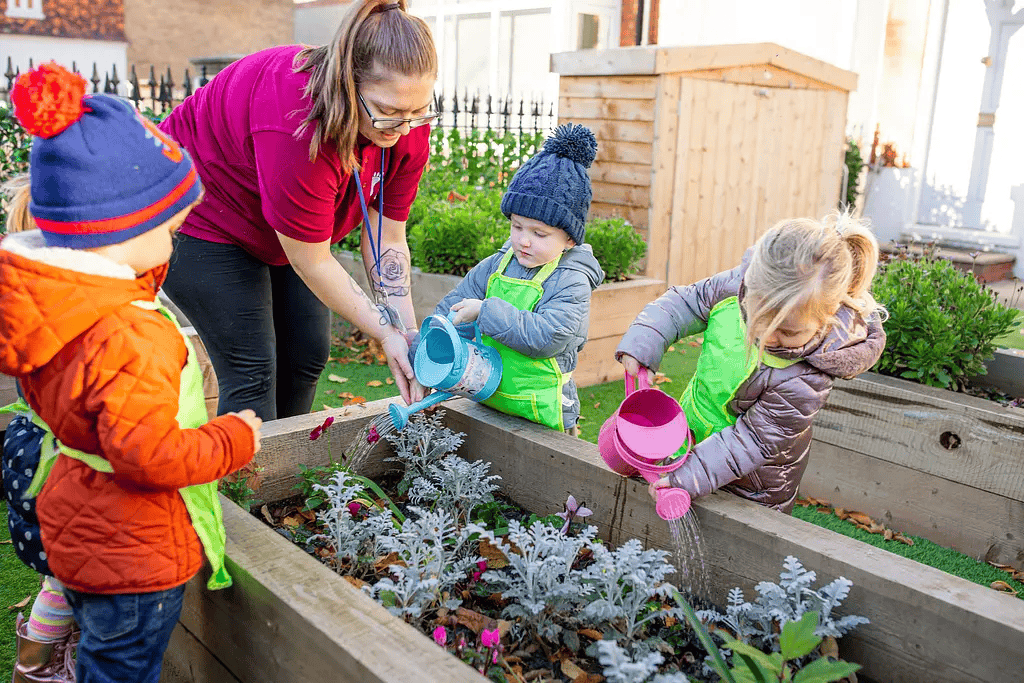
The families managing this well are the ones who are intentional rather than reactive: who choose one or two pursuits with genuine commitment rather than spreading thin across many, who use the City’s subsidized programs strategically, who treat “no” as a financial boundary rather than a personal failure, and who remember that the most formative experiences their children will carry into adulthood are rarely the ones that cost the most.
The enrichment industry in Toronto is excellent at selling the dream of the fully developed child. What it doesn’t advertise is the debt, the burnout, and the family dinners skipped in the name of getting to practice. The real question for Toronto parents isn’t whether enrichment is worth it. It is: how much is enough — and who are we keeping up with?
Exploring enrichment options for your child? Browse our guides to the best summer camps Toronto families trust, unique summer camp experiences in the GTA, and affordable Toronto kids enrichment programs that deliver real value without breaking the family budget.
