
Why Parents Are Changing How They Choose Their Kid’s Camps

For generations, choosing a summer camp was relatively simple. Parents looked for a safe, fun environment where children could stay active, make friends, and stay occupied during the school break. Traditional day camps focused on swimming, crafts, sports, outdoor games, and field trips. For many families, that formula worked perfectly well for decades.
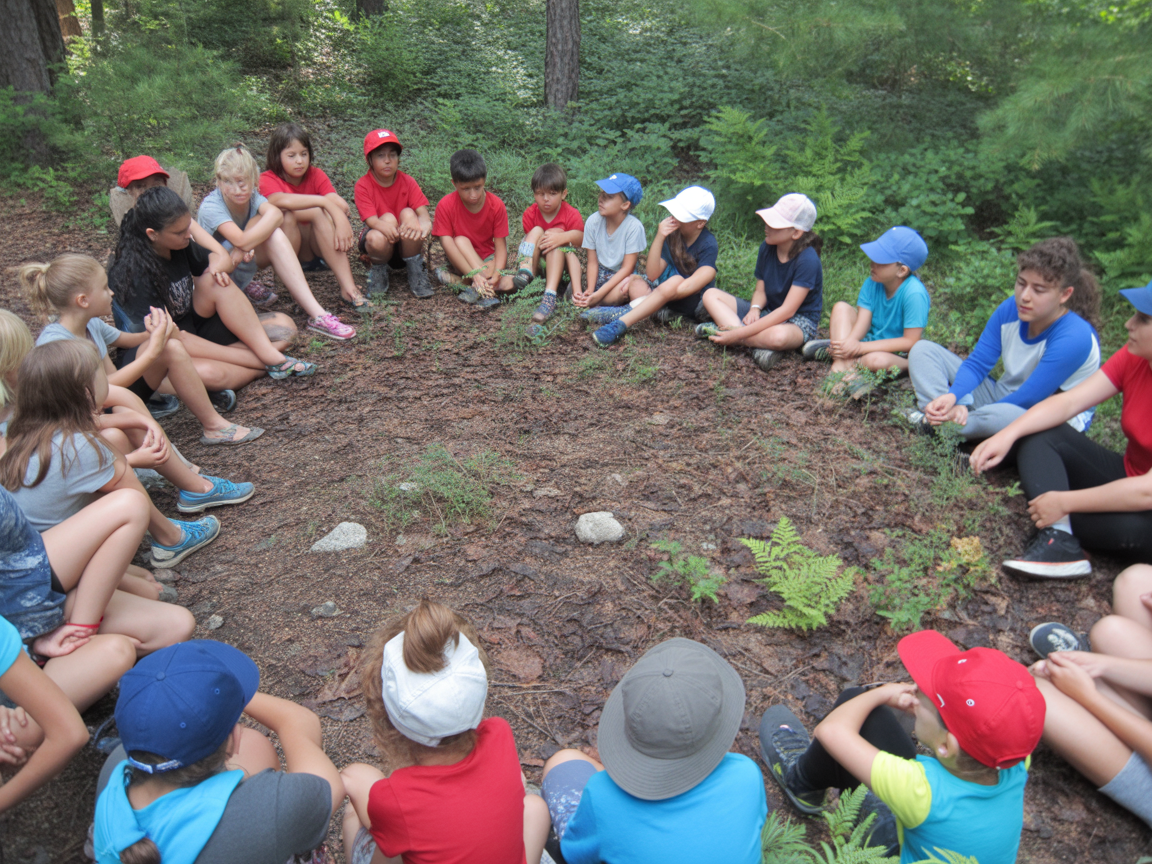
Today, however, the way parents choose camps is changing dramatically — especially in large urban centres like Toronto. Increasingly, families are looking beyond the traditional camp model and seeking programs that offer something more specialized, developmental, competitive, or future-focused. Coding camps, robotics programs, entrepreneurship workshops, elite sports academies, outdoor wilderness programs, performing arts intensives, and leadership camps are all experiencing growing interest from parents who want activities that feel meaningful, enriching, and aligned with their children’s long-term growth.
The shift reflects broader changes in parenting culture, education, technology, and family life. Parents are no longer evaluating camps based solely on convenience or childcare needs. Many are now asking deeper questions: Will this help my child build confidence? Learn useful skills? Develop independence? Discover a passion? Gain an advantage later in life? Disconnect from screens? Improve social skills? Spend more time outdoors?
As these priorities evolve, camps themselves are evolving too.
The Rise of “Future-Ready” Parenting
One of the biggest forces driving change is the growing emphasis on future-readiness. Parents are increasingly aware that the world their children will enter as adults may look very different from today’s world. Artificial intelligence, automation, rapidly changing technology, and evolving career paths have made many families rethink what kinds of experiences are most valuable for children.
This has helped fuel the rise of STEM-focused camps and educational enrichment programs. Coding camps, robotics camps, engineering workshops, AI-focused programs, and digital media camps have become especially popular among urban families looking to expose children to technology in creative and engaging ways.

In many cases, these programs are not simply about preparing children for future careers in technology. Parents are often drawn to broader benefits such as problem-solving, creativity, teamwork, and critical thinking. Activities that once may have been viewed as niche or highly academic are now becoming mainstream summer options.
At the same time, many parents are also looking for balance. Interestingly, the same families seeking tech-oriented programs are often equally interested in camps that promote outdoor exploration, wellness, social connection, and screen-free experiences. The modern camp decision is increasingly about finding the right combination of enrichment, development, and emotional well-being.
Camps Are Becoming Extensions of Identity
Another major shift is that extracurricular activities are increasingly becoming part of family identity and values. In large cities like Toronto, camps and programs can signal priorities, aspirations, and lifestyle choices.
Some families prioritize arts and creativity, enrolling children in theatre intensives, dance conservatories, music camps, or filmmaking workshops. Others gravitate toward athletic excellence through elite soccer academies, gymnastics training centres, hockey development programs, or competitive swimming camps.
There is also growing demand for camps that align with broader parenting philosophies. Forest schools and nature-based camps appeal to families seeking more unstructured outdoor experiences. Leadership and entrepreneurship camps attract parents who value confidence-building and independence. Wellness-focused programs emphasizing mindfulness, emotional regulation, and social development are also gaining attention.
For many parents, camp choices are no longer simply logistical decisions. They are reflections of how families see childhood itself.
The Search for Meaningful Experiences
Traditional camps still remain extremely popular, but many parents are becoming more intentional about how children spend their summers. Rather than simply keeping children occupied, families increasingly want experiences that feel memorable, transformative, or personally meaningful.
This does not necessarily mean children must spend every summer building résumés or developing competitive advantages. In fact, many parents are pushing back against that exact mentality. Instead, the emphasis is often on depth over randomness — choosing activities that genuinely engage children’s interests and personalities.
Parents are beginning to ask:
- What excites my child?
- What helps them feel confident?
- What environments help them thrive socially?
- What skills will actually matter later in life?
- What experiences are difficult to replicate elsewhere?
As a result, highly specialized camps are flourishing because they offer children the opportunity to immerse themselves deeply in one area rather than sampling many unrelated activities.
A child interested in filmmaking can now spend a week learning storyboarding, editing, cinematography, and acting. A young athlete can train with professional coaches in a focused environment. An aspiring entrepreneur can participate in business simulations and leadership exercises. These experiences often feel more personalized and purposeful than traditional general-interest camps.
The Influence of Competitive Parenting Culture
Another reality shaping camp trends is the growing pressure many parents feel to provide every possible opportunity for their children. In competitive urban environments, extracurricular activities can sometimes begin to feel less optional and more essential.
Parents are increasingly exposed to messaging around optimization:
- Optimize education
- Optimize social development
- Optimize athletic performance
- Optimize creativity
- Optimize future success
This pressure can start surprisingly early. Even elementary-aged children may find themselves enrolled in advanced sports training, enrichment programs, tutoring, coding classes, leadership workshops, or multiple extracurriculars simultaneously.
In some communities, camp choices can become tied to status and perceived investment in a child’s future. Specialty programs often carry higher price tags and may appear more prestigious than traditional camps. As a result, some parents worry about whether they are “doing enough” if their children are not participating in highly specialized activities.
This dynamic has contributed to the rapid growth of premium camps and enrichment programs across the GTA.
At the same time, many experts and parents are also questioning whether childhood itself is becoming overly structured.
The Growing Concern About Overscheduled Kids
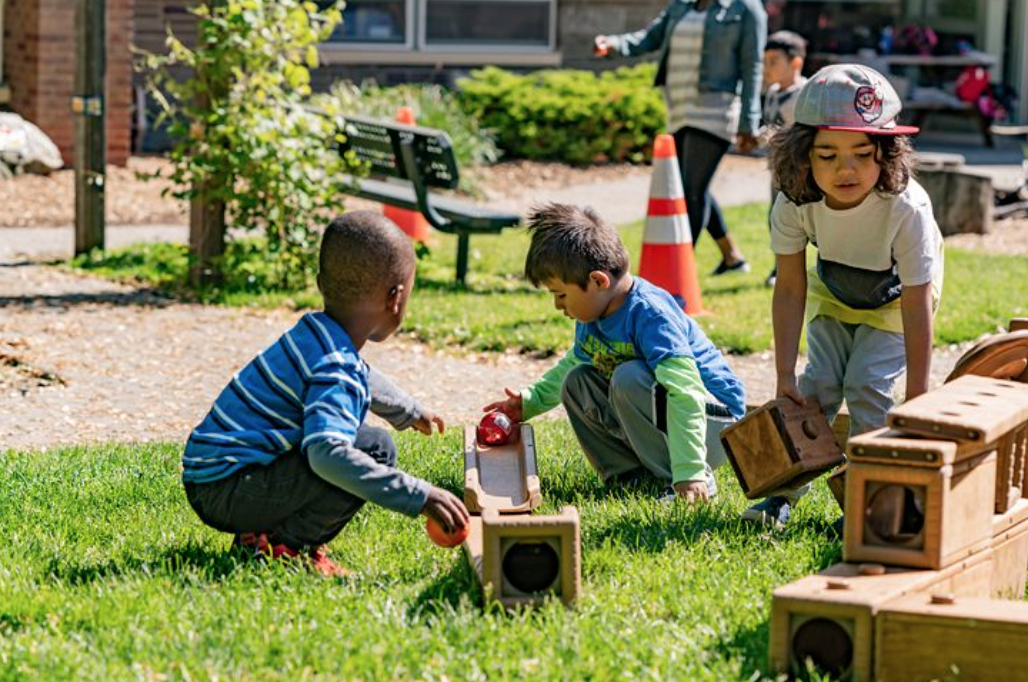
While specialty camps are booming, there is also a parallel conversation happening among parents about burnout, stress, and overscheduling.
Many families are becoming increasingly aware that children need downtime, imaginative play, independence, and opportunities for boredom. Some parents who once pursued nonstop enrichment are now reconsidering whether constant structure is actually beneficial.
This has created an interesting paradox in modern parenting. Families simultaneously want:
- Skill development
- Meaningful enrichment
- Future readiness
- Emotional wellness
- Reduced stress
- More balance
As a result, many parents are becoming more selective rather than simply adding more activities.
Some are intentionally choosing fewer programs but investing more deeply in activities children genuinely love. Others are prioritizing camps that blend structure with free play, outdoor exploration, and social development.
Nature-based camps have benefited significantly from this shift. Outdoor adventure programs, forest schools, and wilderness camps are increasingly viewed as antidotes to overstimulation, excessive screen time, and highly managed childhoods.
For urban Toronto families living in condos or dense neighbourhoods, access to outdoor experiences can feel especially valuable.
Screen Fatigue and the Return to Outdoor Childhood
The rise in digital learning, gaming, streaming, and device use has also transformed how parents think about summer programming.
After years of increased screen exposure, many families are actively searching for camps that help children reconnect with physical activity, nature, social interaction, and hands-on learning.
Parents are increasingly attracted to:
- Outdoor education
- Hiking and adventure camps
- Canoeing and wilderness programs
- Gardening and environmental camps
- Animal-focused programs
- Unplugged camps with limited device use
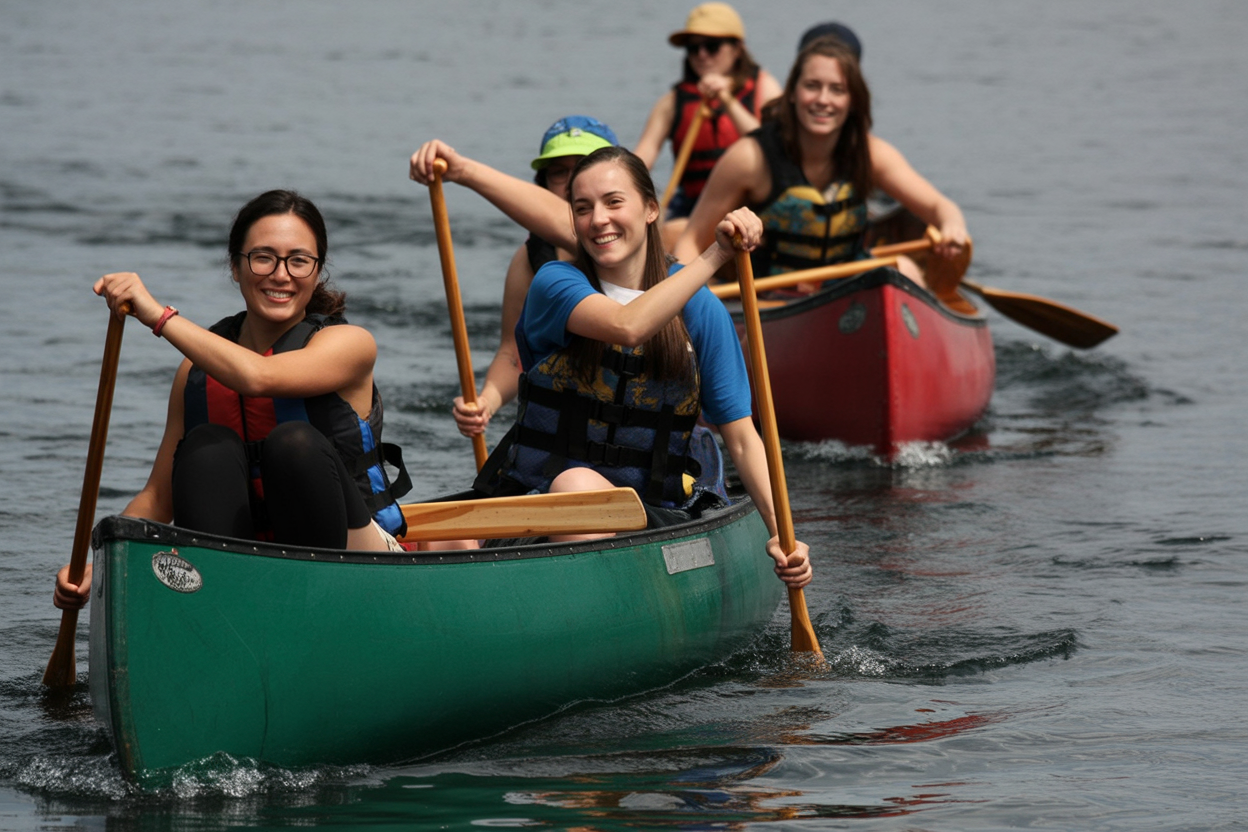
This trend reflects a broader desire to restore aspects of childhood that many parents feel are disappearing in modern urban life.
Ironically, some of the same parents enrolling children in coding camps are also seeking completely screen-free experiences later in the summer. Rather than rejecting technology entirely, many families are searching for healthier balance.
Social Development Has Become a Major Priority
Another important shift since the pandemic era is increased parental focus on social confidence and emotional resilience.
Many children experienced disrupted routines, reduced social interaction, and increased anxiety during key developmental years. As a result, parents are placing greater emphasis on camps that help children build communication skills, friendships, independence, and self-confidence.
This is one reason camps emphasizing teamwork, collaboration, leadership, and community-building have become especially attractive.
Parents are often less interested in programs that simply teach technical skills in isolation. Instead, they want environments where children can:
- Build friendships
- Practice independence
- Learn conflict resolution
- Gain confidence
- Develop resilience
- Improve communication skills
For younger children especially, emotional development and social comfort are now major factors in camp selection.
Tutoring and Academic Enrichment Are Becoming More Mainstream
Another notable development is the normalization of academic enrichment during the summer months.
In previous generations, summer was often viewed as a complete break from academics. Today, many parents worry about learning loss, educational competitiveness, or gaps created by disrupted schooling in recent years.
As a result, academic camps and enrichment programs are becoming increasingly common. These may include:
- STEM camps
- Writing programs
- Math enrichment
- Science workshops
- Debate camps
- Language immersion
- Public speaking
- Accelerated learning programs
Importantly, many of these programs are now designed to feel more engaging and camp-like rather than resembling traditional classroom environments. Parents are often searching for ways to combine learning with enjoyment, particularly for children who may not respond well to conventional academic settings.
The Emotional Side of Camp Decisions
Despite all the trends, technologies, and competitive pressures, most camp decisions still come down to something very personal: parents simply want their children to be happy, confident, and fulfilled.
Many families are trying to navigate a difficult balancing act. They want children to have opportunities, but not overwhelming pressure. They want development without burnout. They want preparation for the future while still preserving the joy and freedom of childhood.
This is why the camp industry is becoming so diverse. There is no longer one dominant model of what a “good” summer looks like.
For some children, the perfect summer may involve robotics, coding, and entrepreneurship programs. For others, it may involve canoe trips, theatre rehearsals, soccer training, or unstructured outdoor play. Increasingly, parents are recognizing that successful camp experiences are not necessarily the most prestigious or expensive ones, but the ones that align best with a child’s personality, interests, and emotional needs.
The Future of Camps in Toronto
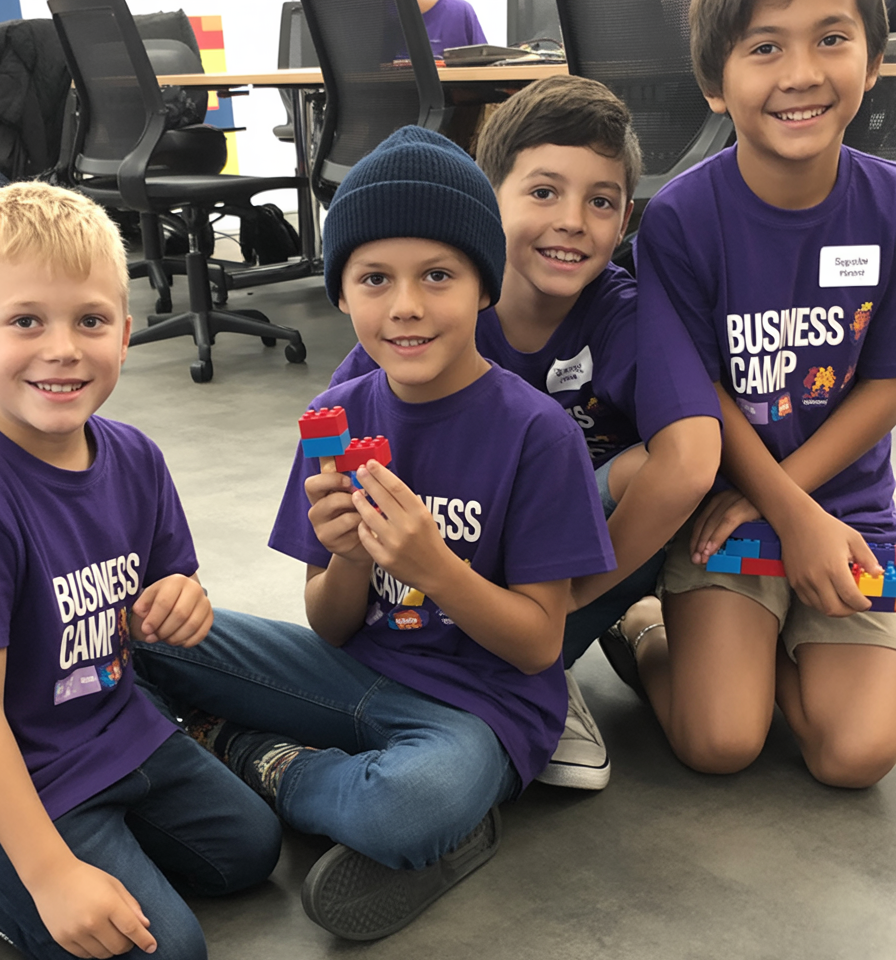
As Toronto families continue to navigate changing educational expectations, technological disruption, urban lifestyles, and evolving parenting philosophies, camps will likely continue to diversify and specialize.
We are already seeing:
- More niche programming
- More personalized learning experiences
- More hybrid educational-recreational models
- More wellness-focused activities
- More outdoor programming
- More advanced sports development
- More arts intensives
- More leadership and life-skills programming
At the same time, there is also growing awareness that children do not necessarily need every moment optimized.
The most thoughtful parents are increasingly moving away from simply chasing trends and toward asking a more important question: What kind of experiences actually help my child grow?
In the end, that may be the biggest change of all. Camps are no longer viewed merely as childcare or summer entertainment. They are becoming intentional environments where parents hope children will discover confidence, interests, friendships, independence, resilience, and joy.
And in a world that feels increasingly fast-moving and uncertain, those qualities may matter more than ever.

